


Daily Mahjong Match
4.93.71K Reviews
App Specs
- Version
- 1.0.39
- Updated On
- License
- Free
- Downloads
- 10,000,000+
- Developer
- Big Cake
- Categories
- Board
- Platform
- Android, iOS
Screenshots
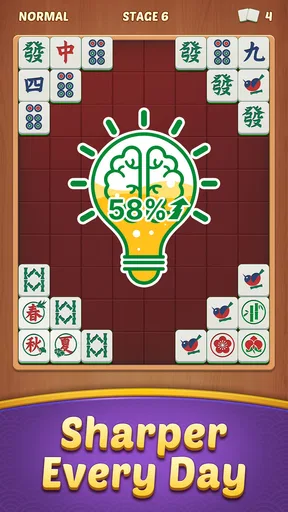


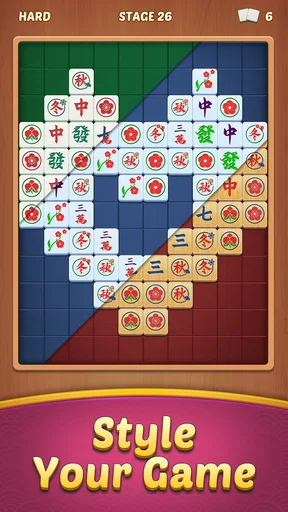
 Analysis by AppCompare
If you’re someone who enjoys challenging puzzles and meditative gameplay, Daily Mahjong Match might just be your new go-to app. Imagine yourself sipping on a warm cup of tea, your phone in hand, as you dive into the intricate world of Mahjong. It’s a classic game with a modern twist, and I’ve taken it for a spin to share my thoughts with you.
What a first session feels like
This is a board puzzle game from Big Cake, built around matching Mahjong tiles rather than quick reflexes or competition. Its calm pace makes it easy to approach without planning a long play session: I can open it for a short mental break, focus on the board, and put the phone down when I am ready. The audience is broad, too; it is rated for Everyone, while the familiar tile-matching format can suit adults and older players looking for a gentle pastime.
The game is free to download, with optional in-app purchases listed from $0.99 to $79.99 per item. That range is worth noticing before you install if you prefer to avoid spending inside games. I’d treat the purchase options as something to check only if they appear relevant to your own play, rather than assuming you need to buy anything to try a puzzle. The game has a 4.9 average from around 145,000 ratings and more than 5 million installs, which suggests it has found a substantial audience, though popularity alone cannot tell you whether its pace will suit you.
Getting started without overthinking it
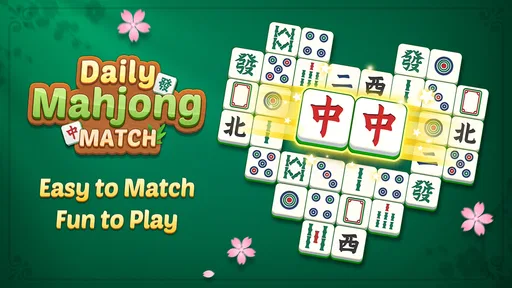
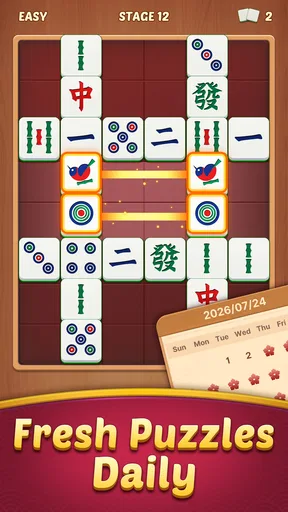
Daily Mahjong Match is more than just a game; it's an experience. With its beautifully designed tiles and soothing background music, it offers a perfect escape from the hustle and bustle of daily life. The game provides a fresh Mahjong puzzle every single day, keeping things interesting and ensuring you never get bored. The app boasts an intuitive interface, making it pretty easy to navigate even if you’re new to Mahjong.
It was released on February 4, 2025, and version 1.0.24 supports Android 6.0 and newer. If you are deciding whether to install it on an older device, the operating-system requirement is the practical check to make first. Once it is on your phone, I’d begin with the daily board and spend a moment identifying which tiles are actually available to match. That small pause helps a newcomer avoid tapping at random and makes the first successful pair feel earned.
What’s the Buzz About?
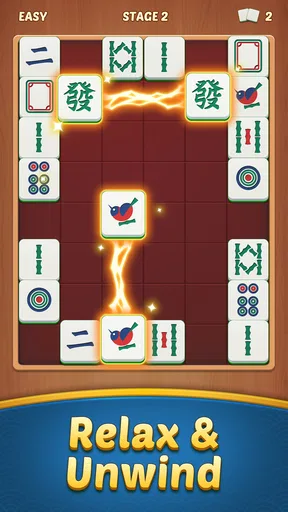
A useful first goal is not to clear the whole board as quickly as possible, but to make one deliberate match and notice what opens up afterward. Mahjong layouts reward looking ahead: removing an exposed pair can uncover tiles that were blocked, while a tempting match may be better left alone if it keeps another route available. I find it more satisfying to scan the board before committing than to rely on speed. If you reach a point where several choices look equally plausible, the hint system can help you move forward without taking over the decision.
Gameplay and Features
Once you open the app, you’re greeted with a daily challenge that you can sink your teeth into. The puzzles vary in difficulty, from beginner-friendly layouts to more complex ones that will test your strategic skills. The hint system is a lifesaver; it’s there to gently nudge you in the right direction if you’re stuck, but without handing you the solution outright.
Worth Reading Before You Choose

Flipboard Shows What News Apps Must Do Beyond the Feed

Switching to Android Auto Means Rethinking Your Driving Routine

Google Calendar Makes a Crowded Week Easier to Manage

Ludo King Makes the Most of the Minutes Between Plans

Baby Panda World Brings Quick Play to Modern Phones, but Its Game Library Feels Busy

ESPN’s Live Game View Makes Following Close Games Easier
For a first-timer, the most useful way to use a hint is as a lesson rather than an automatic button to press whenever the board slows down. Before using it, check which tiles are free to select and whether matching a pair could uncover another tile. Afterward, look at what the suggestion changed in the layout. This makes the assist more valuable over time, because you begin to recognize how a choice affects the remaining board instead of simply following prompts.
One trade-off of a daily-puzzle format is that it gives the session a clear focus, but it may not satisfy someone who wants a large, endlessly changing set of modes or head-to-head play. The appeal here is a measured solo puzzle, not the social energy of a competitive board game. If you want to compare scores with friends, play against an opponent, or jump between several kinds of challenge, a broader Mahjong app or a different board-game title may be a better fit.
Design and User Experience
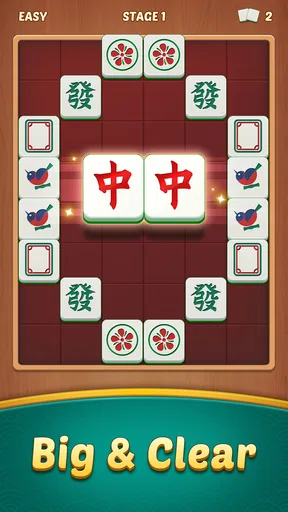
The aesthetics of Daily Mahjong Match are top-notch. The tiles are colorful and the design is sleek, without being too flashy. I found the animations smooth, and the responsiveness of the game is spot-on. It’s clear that a lot of thought went into making the user experience as pleasant as possible, right down to the calming sound effects that accompany your moves.
That visual calm is useful in ordinary settings, not just during a dedicated game break. I can picture playing a board while waiting for a kettle to boil or sitting in a waiting room: the puzzle gives my attention one simple place to rest without requiring a long commitment. For someone who finds busy interfaces tiring, the restrained presentation is a real advantage. On the other hand, if you need bold motion, constant rewards, or a fast-changing screen to stay engaged, this deliberately gentle style may feel too quiet.
Tile recognition matters more than decoration in a Mahjong matching game. When I play, I try to keep my eyes on the symbols and the board’s open paths, rather than treating every visible pair as an equally good move. A practical habit is to scan the upper or more obstructive parts of the layout first, then consider pairs that might free up more choices. It is a small change in approach, but it can reduce the feeling of being stuck later in a puzzle.
Who it suits, and when I’d choose something else
If you’re a fan of puzzle games that are as much about relaxation as they are about challenge, this app is right up your alley. It’s perfect for winding down after a long day or for keeping your mind sharp during a break. The daily puzzles ensure that there’s always something new to look forward to, making it a staple for my daily routine.
I’d recommend it most to someone who likes clear rules, solitary play, and a reason to return for a focused puzzle. It can also work well for a Mahjong newcomer who wants to learn by trying matches and using hints thoughtfully, rather than studying a rulebook first. Players who already know tile-matching puzzles may enjoy the calm routine, especially if they prefer a daily prompt to browsing a large library and deciding what to play.
It is less suited to anyone seeking the traditional four-player Mahjong experience, where strategy involves opponents and a different set of rules. This is a tile-matching puzzle, so it should not be mistaken for that social game simply because both use Mahjong tiles. I would also skip it if my main priority were a highly competitive challenge, extensive customization, or a wide menu of distinct modes; I would look for a game designed around those needs instead.
A realistic way to make it part of a day is to play one board during a coffee break, then stop when the break ends rather than letting the phone turn the pause into a long session. If the board proves tricky, I’d take a breath, inspect the open tiles, and use a hint only after making a considered attempt. That routine keeps the game relaxing while still giving the puzzle enough attention to feel rewarding.
Making the daily puzzle work for you
The daily format is most useful when you treat it as a small ritual, not an obligation. If you miss a day, there is no need to turn a relaxing game into a streak you feel pressured to maintain. Open it when the timing suits you, and let the puzzle be a short break rather than another task on a checklist. That mindset is especially helpful for older players or anyone using a phone game to unwind: the value is in the few minutes of attention, not in proving consistency.
There is also a useful distinction between “I can see a pair” and “this is the best pair to remove now.” When several matches are available, look for the move that opens the most useful part of the layout or avoids leaving awkward tiles buried. I would not try to calculate every consequence several turns ahead; that can make a gentle puzzle feel like work. A quick scan for blocked tiles is enough to make choices more thoughtful without taking away the relaxed pace.
If a symbol is hard to distinguish on your screen, pause rather than tapping quickly and hoping for the best. The colorful tile design is pleasant, but individual comfort depends on the device and the player’s eyesight. Adjusting how you hold the phone, increasing the screen’s general text or display size where your device allows it, and playing in even lighting can make a longer session easier. These are simple habits, not special game settings, and they can help keep attention on the puzzle.
How it compares with other ways to play
Compared with a general-purpose puzzle collection, this game asks less of you at the moment of choice: there is a daily Mahjong board to focus on, rather than a catalogue to browse. That is a strength if you want to begin quickly, but a limitation if you like selecting among many formats or adjusting the challenge to a precise preference. A traditional Mahjong game is a better choice for players seeking a table game with other people, while a sprawling tile-matching collection may be preferable if variety matters more than a calm daily routine.
It also occupies a different space from quick arcade games. There is no need to react at speed; the more useful skill is patient observation. I would choose it over a frantic game when I want a quieter pause, but choose something more active when I need energy or a stronger sense of competition. Thinking about the kind of break you want is a better guide than assuming every puzzle game serves the same purpose.
Because the game is free, it is easy to try without paying upfront, but the listed optional purchases still matter to people who share a device or want to keep spending tightly controlled. I’d make the usual purchase safeguards part of setup, particularly on a family phone, and avoid tapping through payment prompts without reading them. The Everyone age rating makes the game broadly appropriate in content terms, but it does not replace a parent’s judgment about in-app purchases or screen-time habits.
A few sensible expectations before installing
One question first-time players often have is whether they need to know Mahjong already. For this tile-matching style, I would start by learning the basic idea from the board itself: identify selectable matching tiles, make a pair, and watch how that changes what is available. The hint system offers a way through a sticking point, so a complete beginner can experiment without needing to master a complex ruleset before opening the game. Someone looking for traditional Mahjong rules, however, should choose a game explicitly built for that version.
Another practical question is whether this is suitable for a short session. Its daily puzzle framing makes it a natural fit for a break, and the unhurried pace means you can think rather than race. I would still avoid opening it when I have only a few distracted seconds, since a puzzle is more satisfying when I can look at the board instead of tapping between other tasks. It works best as a small pocket of attention, not as something to play while walking or doing anything that needs focus.
Players may also wonder whether the free download means every part of the experience is free. The game costs nothing to install, while optional purchases are available in a wide price range. I’d treat that as a reason to be deliberate, not as a reason to assume payment is required. If you prefer games with no purchase options at all, you may be more comfortable with a different title; if you are happy to ignore optional offers, the no-cost starting point makes trying a board straightforward.
The app has a 4.9 average across around 145,000 ratings, and its 2,600 reviews give prospective players another broad signal of interest. I see those figures as context, not a guarantee: ratings cannot tell you whether you personally enjoy a quiet solo puzzle, and individual tastes differ. The useful test is whether you like the first few boards enough to return when another daily challenge is ready.
My closing take
In a world full of flashy, fast-paced games, Daily Mahjong Match is a breath of fresh air. It’s a game you can enjoy at your own pace, making it a perfect companion for those quiet moments when you just want to relax and unwind. Give it a try; who knows, it might just become your new daily ritual.
My honest recommendation is to try it if you want a calm, easy-to-enter tile puzzle and are comfortable with a solo format and optional purchases. I would not choose it as a substitute for competitive Mahjong or a varied board-game collection, but for a patient, focused break, its daily approach is appealing. Big Cake has made the starting point simple: install it on a compatible Android device, open a puzzle, and aim for one thoughtful match. If that first small success feels satisfying, you will have a good sense of whether this is the kind of routine you want to keep.
Pros
- Engaging daily challenges keep you coming back.
- Beautiful tile designs enhance visual appeal.
- Smooth and intuitive user interface.
- Offline play available for on-the-go fun.
- Various difficulty levels suit all players.
Cons
- Ads can be intrusive during gameplay.
- Limited custom options for tile sets.
- Occasional lag on older devices.
- In-app purchases can add up quickly.
- No multiplayer mode for social play.
FAQs for Daily Mahjong Match
What is Daily Mahjong Match and how is it played?
Daily Mahjong Match is a classic tile-matching puzzle game available on Android and iOS. Players must match pairs of identical tiles to clear the board. The game features daily challenges, unique layouts, and varying difficulty levels, making it suitable for both beginners and seasoned players. It's a great way to unwind while sharpening your mind.
Are there any in-app purchases or ads in Daily Mahjong Match?
Yes, Daily Mahjong Match includes in-app purchases that allow players to buy hints, additional themes, or remove ads. While the game is free to download and play, these purchases enhance the gaming experience. Ads are present, but they can be removed with a one-time purchase, ensuring uninterrupted gameplay.
Can I play Daily Mahjong Match offline?
Daily Mahjong Match supports offline play, which means you can enjoy the game without an internet connection. However, certain features like daily challenges and leaderboard updates require online access. This makes it convenient for travel or situations where Wi-Fi is unavailable, while still offering rich content when connected.
Does Daily Mahjong Match offer any customization options?
Yes, the game offers a variety of customization options, including different tile sets and backgrounds. Players can personalize their gaming experience by choosing themes that suit their preferences. This feature enhances replayability and allows users to enjoy a visually appealing, personalized gameplay environment.
Is Daily Mahjong Match suitable for all ages?
Daily Mahjong Match is designed to be family-friendly and suitable for all ages. Its intuitive controls and clear graphics make it accessible to children, while the varying difficulty levels provide a challenge for adults. It's a perfect game for families who want to enjoy a relaxing yet stimulating puzzle experience together.


